|
The transformative power of connected buses lies not just in their individual capabilities but in their ability to harness and integrate vast streams of data. By employing advanced analytics, these vehicles are redefining the scope of urban transit, making it smarter, more adaptive, and passenger focused.
In Seoul, South Korea, “Owl Bus” service stands as a pillar of innovation. By combining mobile phone call records with GPS data from its fleet, the service uses big data analytics to address a critical urban need: late-night commuting. Through the analysis of call density and commuter movement patterns, city planners have crafted a radial bus network that efficiently connects outer districts to key urban hubs during off-peak hours. This data-driven approach has not only optimized routes but also significantly improved access and convenience for Seoul’s nocturnal travelers, exemplifying the potential of integrated mobility solutions.
In Hong Kong, the GoByBus platform showcases a different dimension of integration. This system aggregates GPS data, route schedules, and real-time updates from multiple cross-border operators into a unified interface. GPS-enabled devices on buses continuously transmit location data, allowing passengers to access precise real-time tracking and service alerts. For operators, the system provides actionable insights that streamline planning and enable dynamic dispatching, thereby enhancing service reliability and efficiency. By bridging disparate systems into a cohesive network, GoByBus demonstrates the tangible benefits of connected transit ecosystems.
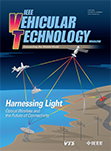
Full Article: IEEE Vehicular Technology Magazine, Volume 20, Number 1, March 2025
|